
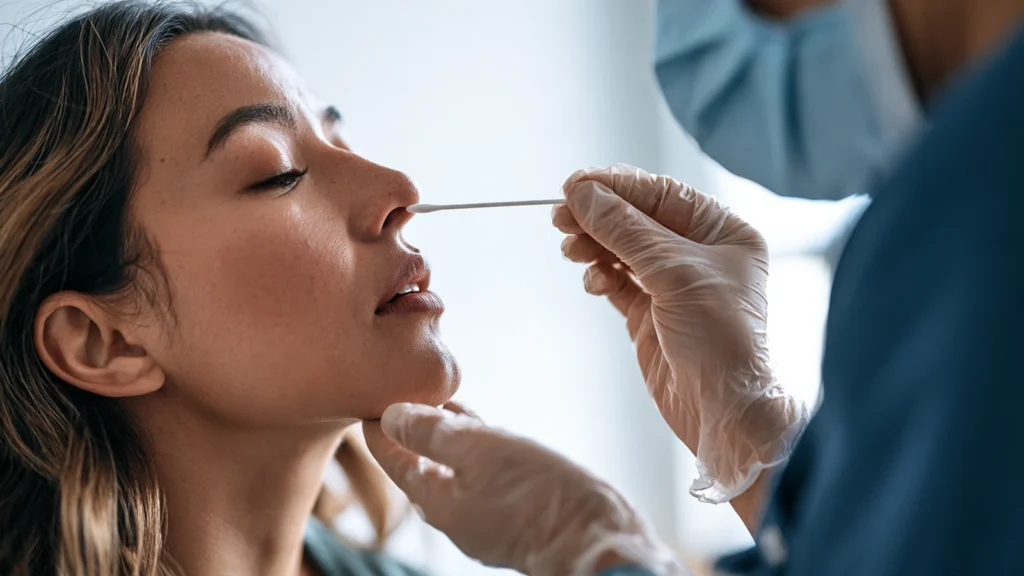
Flu, COVID and RSV Testing in Charlotte
Walk in for rapid flu, COVID and RSV testing at our Steele Creek and Plaza Midwood clinics in Charlotte, open 7 days. Most results are ready in 10-15 minutes, and a provider examines you and starts treatment in the same visit. For covered visits with most NC Medicaid plans, copays are usually $0 or $4; check your plan for coverage and costs. Self-pay visits start at $140, plus tests and treatments.
- ✓ Rapid flu A and B, COVID antigen and RSV tests in the clinic
- ✓ Sore throat too? Ask whether you need a rapid strep test in the same visit
- ✓ Most results in 10-15 minutes
- ✓ Breathing treatments, steroid shots and antibiotic shots when you need them
- ✓ Chest X-ray at Steele Creek if pneumonia is a concern
- ✓ In-network with most NC Medicaid plans; check your coverage
Save my spotInsurance we accept
¿Tiene gripe o COVID? Venga sin cita. En visitas cubiertas por la mayoría de los planes de Medicaid de Carolina del Norte, el copago suele ser $0 o $4. Confirme la cobertura y el costo con su plan.
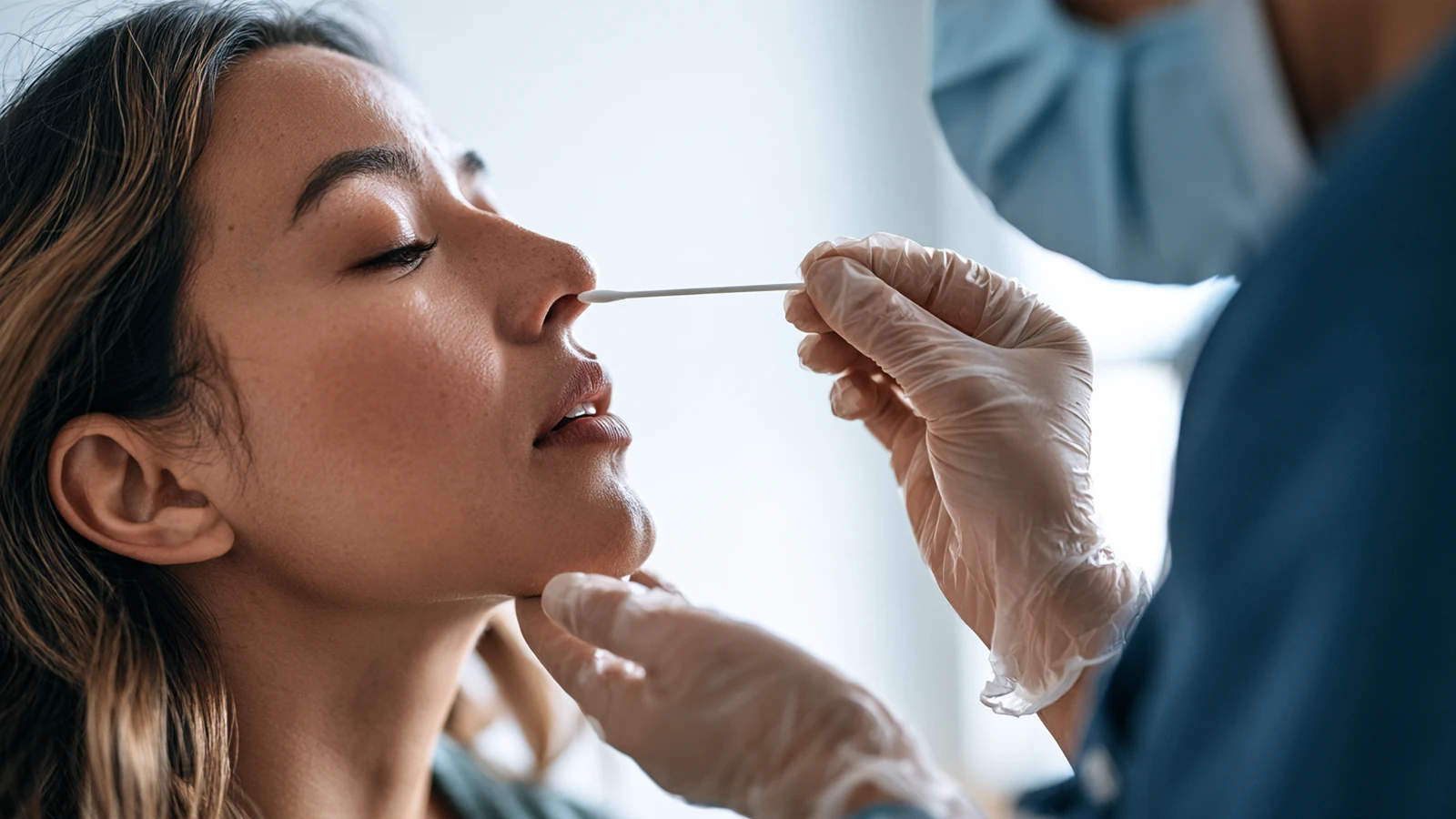
On this page
Flu testCOVID testRSV testFlu, COVID and strep togetherCold vs flu vs COVIDMedicaid coverageTreatmentFever: urgent care or ER
Rapid tests we run in the clinic
These rapid tests are performed in the clinic. Times below are typical, not guaranteed; confirmatory or additional laboratory tests may take longer. A provider chooses tests based on your symptoms, risk and exam.
| Test | What it checks | Results |
|---|---|---|
| Flu test | Influenza A and B, from a nasal swab | Usually 10-15 minutes |
| COVID test | COVID-19 antigen, from a nasal swab | Usually 10-15 minutes |
| RSV test | Respiratory syncytial virus, from a nasal swab | Usually 10-15 minutes |
| Strep test | Strep throat, from a throat swab | Usually 10-15 minutes |
| Mono test | Heterophile antibodies associated with mono, from a finger stick; not a definitive EBV test | Usually 10-15 minutes |
| Combination testing | Flu and COVID, flu, COVID and RSV, or flu, COVID and strep in one visit | Usually 10-15 minutes |
Flu test in Charlotte
A rapid flu test checks for influenza A and B from a quick nasal swab, with results in 10-15 minutes. Flu season in North Carolina usually runs from October to May and peaks in winter.
Common flu symptoms
- Fever or chills that come on suddenly
- Body aches and headache
- Cough and sore throat
- Runny or stuffy nose
- Feeling very tired or weak
- Vomiting or diarrhea, more common in children
When to get a flu test
- As soon as symptoms start. Rapid tests work best in the first 3-4 days of symptoms.
- Within 2 days of your first symptoms if you may need antiviral medicine, which works best when started early
- Right away if you’re at higher risk: age 65 or older, a child under 5, pregnant, or living with asthma, diabetes, heart disease or a weak immune system
- If someone in your home has flu and you start feeling sick
Possible flu complications
- Pneumonia
- Ear and sinus infections
- Asthma, COPD or heart failure getting worse
- Dehydration, especially in young kids and older adults
- Rarely, inflammation of the heart, brain or muscles, or sepsis
Flu treatment
After your exam, the provider may send antiviral flu medicine to your pharmacy, depending on your symptoms, exposure and test results. Flu antivirals work best within 48 hours, but can still help later in high-risk patients or severe or worsening illness. Treatment should not wait for test results when clinically indicated. Rest, fluids and medicine for fever and aches help too. You can usually go back to work or school once you’ve been fever-free for 24 hours without fever medicine and your symptoms have been improving overall for at least 24 hours. Take added precautions for the next 5 days, such as a well-fitting mask, cleaner air and distance around others.
COVID test in Charlotte
Our rapid COVID antigen test uses a nasal swab, with results in 10-15 minutes. Many people get a flu and COVID test at the same visit, since the symptoms overlap and you can have both at once.
Common COVID symptoms
- Fever or chills
- Cough
- Sore throat, congestion or runny nose
- Body aches and headache
- New loss of taste or smell
- Feeling very tired
- Shortness of breath
- Nausea, vomiting or diarrhea
When to get a COVID test
- As soon as you have symptoms
- At least 5 days after you were around someone with COVID, if you don’t have symptoms
- Repeat negative antigen tests 48 hours apart: at least 2 tests with symptoms, or 3 without symptoms. Follow the test instructions; a molecular test may be another option
- Before visiting someone at high risk, such as an older relative or someone with a weak immune system
Possible COVID complications
- Pneumonia and low oxygen levels
- Blood clots
- Long COVID: tiredness, brain fog or shortness of breath that lasts for weeks or months
- In children, rarely, a serious inflammatory condition called MIS-C
COVID treatment
After your exam, the provider may send antiviral COVID medicine to your pharmacy, depending on your symptoms, exposure and risk. Oral COVID antivirals must start within 5 days of symptom onset; some other treatments have a 7-day window. Eligibility, medicine interactions and kidney or liver conditions must be checked. Contact a clinician promptly rather than waiting for symptoms to worsen. Higher risk includes age 65 or older, being pregnant, and conditions like diabetes, heart or lung disease, obesity or a weak immune system. You can usually go back to normal activities once you’ve been fever-free for 24 hours without fever medicine and your symptoms are getting better. Take extra care for the next 5 days, like wearing a mask around others.
Tested positive at home? Come in if you want to be examined or treated.
RSV test in Charlotte
RSV (respiratory syncytial virus) feels like a cold for most people, but it can be serious for babies, young children and older adults. A rapid nasal swab gives results in 10-15 minutes, and it can be combined with a flu and COVID test.
Common RSV symptoms
- Runny nose and congestion
- Cough and sneezing
- Fever
- Wheezing
- Not eating or drinking as much
- In babies: fussiness, less activity, and sometimes short pauses in breathing
When to get an RSV test
- A young child with cold symptoms plus wheezing, fast breathing or poor feeding
- Adults 60 and older, or anyone with heart or lung disease, who has cold symptoms
- To tell RSV apart from flu or COVID, since the symptoms look alike
- RSV season in North Carolina usually runs from fall through spring
Possible RSV complications
- Bronchiolitis, swelling of the small airways in the lungs, most common in babies
- Pneumonia
- Asthma, COPD or heart failure getting worse
- Dehydration in children who aren’t eating or drinking well
RSV treatment
Antiviral medicine is not routinely recommended for RSV. Care usually focuses on fluids and age-appropriate fever medicine. Bronchodilators and steroids are not routine treatment for infant bronchiolitis; a clinician decides whether a coexisting condition such as asthma needs treatment. Call 911 if a baby is breathing very fast, the skin between the ribs pulls in with each breath, or the lips turn blue.
When you need a flu, COVID and strep test
Flu, COVID and strep throat can all start with a sore throat and fever. The provider decides which tests are appropriate; not everyone needs all three. Clear viral symptoms such as cough and runny nose usually do not require strep testing. Rapid results are often ready in 10-15 minutes, but timing varies.
| Your symptoms | Tests that may help |
|---|---|
| Sore throat and fever, no cough | Strep may be appropriate; flu and COVID testing depends on symptoms, exposure and risk. |
| Sore throat, fever, cough and body aches | Flu and COVID may be appropriate. Clear viral symptoms generally do not need strep testing. |
| Sore throat and fever after being around someone sick | Testing guided by exposure, symptoms and clinical assessment. |
| A child with sore throat, fever and stomach pain | Provider assessment first; viral symptoms generally make strep testing unnecessary. |
| Wheezing or fast breathing with a cold | Prompt assessment; testing depends on severity, age and clinical need. |
Read about rapid strep tests, mono tests, throat cultures and when a sore throat needs the ER.
Cold, flu, COVID, RSV or strep?
Symptoms overlap. Testing can help identify a cause, but a negative rapid test does not rule out infection. Here’s how they usually differ.
| Illness | How it usually starts | Telltale signs |
|---|---|---|
| Cold | Slowly, over a few days | Runny nose, sneezing, mild sore throat. Fever is rare in adults. |
| Flu | Suddenly | High fever, body aches, chills, feeling wiped out |
| COVID | 2-14 days after exposure | Fever, cough, sometimes loss of taste or smell |
| RSV | Slowly, like a cold | Wheezing and congestion, worse in babies and older adults |
| Strep throat | Suddenly | Very sore throat and fever, usually no cough |
When can I go back to work or school?
| Illness | Usually back when |
|---|---|
| Flu, COVID or RSV | Fever-free without fever medicine and symptoms improving overall for at least 24 hours, then added precautions for 5 days |
| Strep throat | No fever, and at least 12-24 hours after starting appropriate antibiotics; follow clinician and school/work guidance |
Need a note for work or school? The provider can write one at your visit, based on your illness.
Flu and COVID testing with NC Medicaid
We’re in network with most NC Medicaid plans. Copays for covered visits are usually $0 or $4. Confirm your plan’s coverage for the visit and any tests or treatments; costs can vary.
- Copay: you pay the copay amount set by your plan.
- Deductible or coinsurance: your share depends on your plan and the services received. You may receive a bill after insurance processes the claim.
- NC Medicaid plans: copays for covered visits are usually $0 or $4; check your plan.
Self-pay prices
These are discounted prices for patients who don’t have insurance or choose not to use it. Visits start at $140. Tests and treatments you need are added to that.
See all the plans we take on our insurance page.
Treatment in the same visit

A provider examines you, listens to your lungs and decides on treatment based on your symptoms, exposure and exam, not just your test results. Even if your tests are negative, the provider may still send a prescription to your pharmacy.
| Treatment | When it helps |
|---|---|
| Breathing treatments | Selected cases of wheezing or bronchospasm, such as asthma, when appropriate after examination. Not routine for every viral infection; severe breathing difficulty needs emergency care. |
| Steroid shot | Selected conditions such as an asthma flare, when appropriate. Steroids are not routine treatment for uncomplicated viral illness. |
| Antibiotic shot | Some bacterial infections, when a shot is the better option |
| Antiviral medicine | Flu or COVID, based on your symptoms, exposure and risk, sent to your pharmacy |
| Antibiotics | Bacterial infections like pneumonia or some sinus and ear infections, sent to your pharmacy |
| Chest X-ray (Steele Creek) | A concern for pneumonia. Radiologist review timing varies. |
Learn more about our on-site X-ray.
Respiratory illnesses we treat
| Illness | What we do | Possible complications |
|---|---|---|
| Colds | Examine you, select tests when appropriate, and treat symptoms | Sinus or ear infections, asthma flares |
| Flu and COVID | Rapid tests, and antivirals when they’re right for you | Pneumonia, dehydration, worse asthma or heart disease |
| RSV | Testing when appropriate, supportive care, and assessment of breathing or hydration | Bronchiolitis in babies, pneumonia |
| Bronchitis and cough | Listen to your lungs, breathing treatments, cough medicine. Most bronchitis is viral and doesn’t need antibiotics. | Pneumonia, asthma or COPD flares |
| Walking pneumonia | Exam, chest X-ray at Steele Creek, antibiotics when needed | Severe pneumonia, low oxygen |
| Sinus infections | Exam, and antibiotics only when needed. Many are viral. | Rarely, infection spreading to the eye or bone |
| Ear infections | Ear exam and treatment | Ruptured eardrum; rarely, infection in the bone behind the ear |
| Sore throat and strep | Rapid strep and mono tests, and antibiotics if it’s strep | Tonsil abscess, rheumatic fever |
| Pink eye | Eye exam and drops when needed | Spreading to others; rarely, damage to the eye’s surface |
| Asthma flare-ups | Breathing treatments and a steroid shot when needed | A severe attack that needs the ER |
| Allergies, hives and insect bites | Relief for reactions that aren’t life-threatening | Anaphylaxis: call 911 for throat swelling or trouble breathing |
A negative rapid RSV or flu test does not rule out infection. Testing and treatment choices depend on age, symptoms and risk. Children age 3 or older with suspected strep and a negative rapid strep test generally need a backup throat culture.
Fever: urgent care or the ER?
Many fevers from respiratory illnesses can be assessed at urgent care, but age, other conditions and warning signs affect where to seek care. A baby younger than 3 months with a temperature of 100.4°F or higher needs immediate medical evaluation. People with immune suppression or chemotherapy should promptly follow their treating team’s fever instructions. Here’s when to come in and when to go to the ER.
- A fever of 103°F or higher in an adult
- A fever that lasts more than 3 days
- A fever with a cough, sore throat, ear pain or sinus pain
- Flu, COVID or RSV symptoms
- Wheezing that gets better with your inhaler
- Severe trouble breathing, or lips or face turning blue
- Chest pain or pressure
- Confusion, fainting or a seizure
- A fever with a stiff neck or a rash that doesn’t fade when pressed
- A baby under 3 months with a fever of 100.4°F or higher
- Anything you think is life-threatening
What to expect at your visit
What to bring
- A photo ID
- Your insurance or Medicaid card
- A list of your medicines
- Your home test result, if you took one
Related services
Doctor’s notes and formsSore throat and strepUrgent careX-ray (Steele Creek)IV hydrationInsurance we accept
Further reading: CDC flu treatment, COVID treatment and returning to normal activities.
Last updated


